


 A. Wesonga
Kenyan Hockey: Bridging the gap between promise and performance







Reading Time: 4min | Thu. 02.11.23. | 16:20
It is no longer acceptable to witness our talented athletes face unnecessary obstacles before, during, and after international competitions due to organizational shortcomings
As the African Hockey Road to Paris tournament nears its final stretch in Pretoria, Kenya's national teams are on contrasting journeys. The Kenyan Women's National Team has emerged triumphant in all three of their preliminary matches, securing a spot in the semifinals.
Meanwhile, the men's team has had a more challenging run, winning only one of their three matches. The players have undoubtedly showcased unwavering determination and individual brilliance, a positive shift from the near past. A significant contributing factor to this newfound success is the timely support provided by the Kenya Hockey Union (KHU) and the National Olympics Committee (NOCK), which ensured that both teams had ample time to prepare for the continental competition.
Nevertheless, the spotlight must turn toward an underlying issue that has plagued Kenyan hockey: the inadequate preparedness of the women's team for international tournaments and the unfulfilled promises made by KHU.
.jpg)
In recent years, the women's team has faced unnecessary hardships due to tardy preparations. In 2022, during the Africa Cup of Nations in Ghana, they were forced to forfeit a match against the host nation, Ghana, due to late arrival. A similar situation unfolded in Egypt, where the women's team gave walkovers to South Africa, Zambia, and Egypt in the African Hockey Federation Hockey 5s World Cup Qualifiers, preventing them from vying for a qualification spot in the World competition.
In contrast, the men's team secured a spot in the first Hockey 5s World Cup, which will be held in Oman in January 2024.
As we eagerly anticipate the upcoming matches - the women's semifinal against Nigeria and the men's classification match against Zimbabwe - we must address the systemic issues impacting both national teams. KHU's historical lack of preparation for international competitions raises questions about accountability. It's noteworthy that a majority of the executive committee members at KHU also serve on the technical benches, who questions the other about the teams’ performance when nearly all the KHU executive committee members traveled as part of the technical bench?
Talk about incompetence!
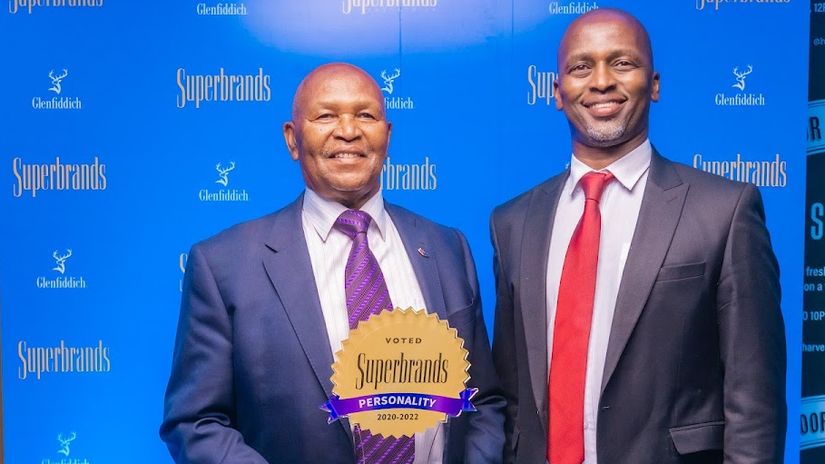
Back in 2017, after the Africa Cup of Nations in Egypt, KHU president Nashon Randiek called for the importance of a foreign coach to assist the local bench, emphasizing the need for specialized coaching for goalkeepers, which he perceived as the team's weak link. This prompts me to question the continuous rotation of coaches who haven't proven themselves with the national teams.
The recent resignation of head coach Fidhelis Kimanzi, without any official communication from KHU, adds to the uncertainty and may have contributed to the team's dismal performance in the ongoing continental competition.
While team selection might be a contentious topic, it's essential to address the effectiveness of running leagues within the country. If in-form players from the domestic leagues aren't selected and adequately prepared for international competition, the purpose of these leagues is called into question. The 2017 Africa Cup of Nations highlighted the importance of build-up matches and friendlies, which provide teams with invaluable international exposure.
In an interview with KTN News the then-women’s coach Willis Otieno insisted on the importance of having build-up matches and friendlies for the teams to get more international exposure.
“Next time we need to look for build-up matches and friendlies if we can go out there or invite teams at home frequently for us to get that international exposure and that’s the only way we can get the exposure we need,” said Otieno.
Moreover, the deplorable state of the playing surface at City Park, the national hockey stadium, poses a significant concern. Not only does it expose players to injuries, but it also fails to meet international standards. In a sport where precise skill and movement are paramount, subpar facilities can be a substantial hindrance to progress.
It's also crucial to scrutinize the development structures in place for hockey in Kenya. What initiatives are being undertaken to nurture talent, improve facilities, and provide the necessary resources to elevate the sport to international standards? The good performance of the women's team in the African Hockey Road to Paris tournament highlights the potential when proper support is provided, making it imperative for all stakeholders to come together to ensure long-term success for Kenyan hockey.
Women Semi-Finalists | African Hockey Road to Paris 2024 🏑#EnRoutetoParis #HockeyInvites pic.twitter.com/zVU0wHqB5g
— African Hockey Federation (AfHF) (@AfrHockey) November 1, 2023
It is no longer acceptable to witness our talented athletes face unnecessary obstacles before, during, and after international competitions due to organizational shortcomings.
The current state of Kenyan hockey is an evident reminder of the urgent need for change. The incompetence, poor leadership, and lack of accountability within KHU have hindered the progress of our national teams. The lack of well-developed structures and a clear path for player development is evident. We must demand better, not only for the players but for the future of hockey in Kenya.
I call upon all players, teams, and stakeholders to unite in a collective effort to reform KHU and establish a framework that fosters accountability, professionalism, and player development. This is not just about winning matches; it's about providing our athletes with the support and resources they deserve to reach their full potential.